
Best Interior Design: Transform Your Home with Style and Functionality
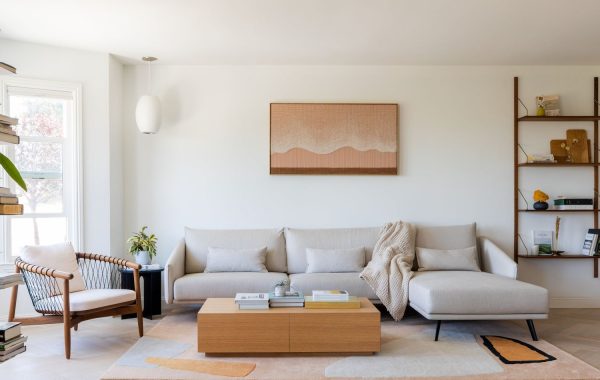
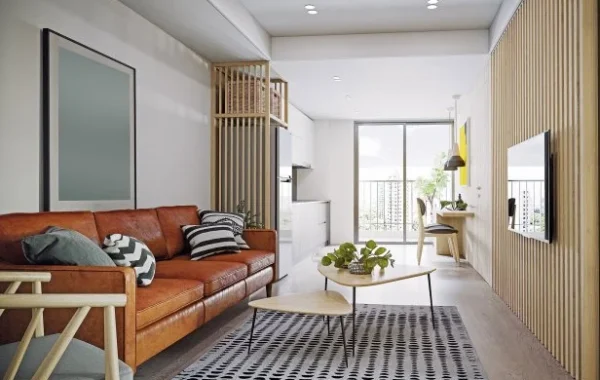
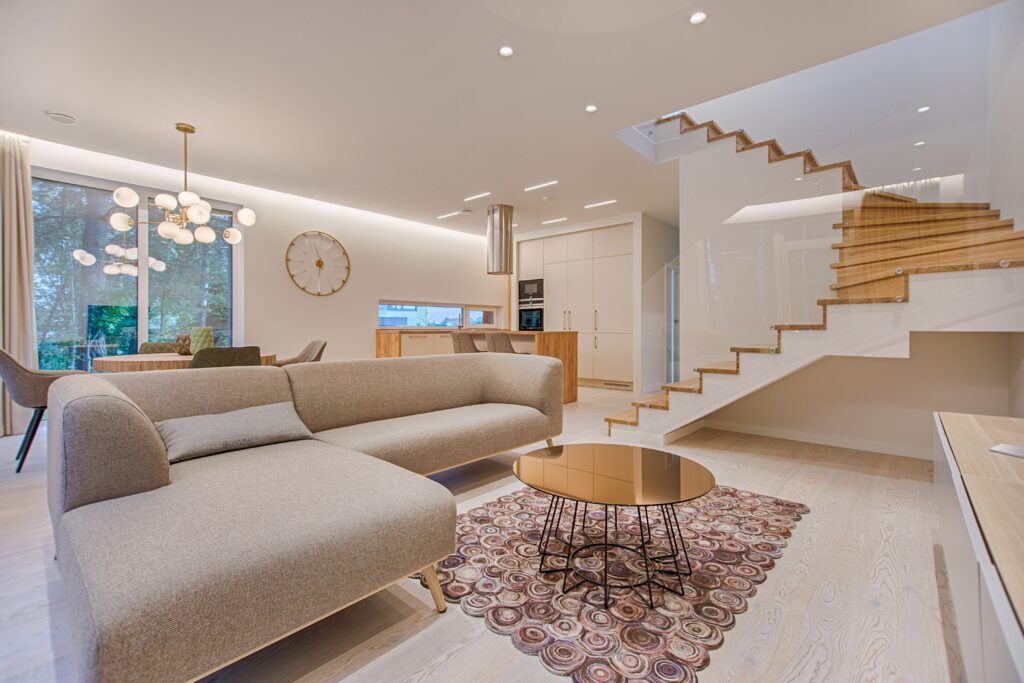
Interior design is not just about decorating a space — it’s about creating an environment that reflects your personality, supports your lifestyle, and maximizes functionality. The best interior design combines aesthetics, comfort, and practicality to transform any space into a harmonious, inviting, and stylish home.
From choosing the right color palette to selecting furniture, lighting, and decor, good interior design considers both form and function. This guide explores the principles, styles, trends, materials, furniture, lighting, and decor ideas that define the best interior design for homes and apartments of any size.
Core Principles of Best Interior Design
1. Balance and Proportion
A well-designed interior maintains balance between furniture, decor, and empty space. Overcrowding can overwhelm the eye, while too little furniture can make a space feel incomplete. Proportion also matters — choose pieces that fit the room’s scale.
2. Harmony and Unity
Colors, textures, and materials should work together cohesively. A unified theme ensures that every element complements the overall design rather than competing for attention.
3. Functionality
A beautiful home is only successful if it is functional. Each area should serve its intended purpose efficiently. Consider storage, seating, and workflow when arranging furniture and selecting accessories.
4. Focal Points
Every room should have a focal point — a feature that draws attention. It could be a statement wall, a piece of artwork, a fireplace, or a stylish piece of furniture.
5. Layering Textures and Materials
The best interiors use a variety of textures to add depth and interest. Combine soft fabrics, polished surfaces, natural woods, and metals to create a dynamic yet harmonious look.

Popular Interior Design Styles
1. Modern
-
Clean lines, minimal decor, and neutral colors.
-
Functional furniture with sleek shapes.
-
Metal, glass, and wood accents are common.
2. Contemporary
-
Trends-driven, often evolving.
-
Mix of textures and materials, with bold accent colors.
-
Open layouts and flexible furniture.
3. Minimalist
-
Less is more approach, emphasizing simplicity.
-
Neutral color palettes, clean lines, and functional spaces.
-
Focus on decluttered, serene environments.
4. Scandinavian
-
Light colors, natural materials, and cozy textures.
-
Functional yet stylish furniture.
-
Emphasis on natural light and airy spaces.
5. Industrial
-
Exposed brick, metal beams, concrete floors.
-
Raw, edgy aesthetic with functional furniture.
-
Neutral tones with occasional bold accents.
6. Bohemian
-
Eclectic mix of colors, patterns, and textures.
-
Layered rugs, pillows, and textiles.
-
Personal, artistic, and vibrant feel.
7. Transitional
-
Blend of traditional and modern elements.
-
Neutral palettes with classic furniture styles.
-
Harmonious balance of old and new.
Choosing the Right Color Palette
1. Neutrals
-
White, beige, gray, and taupe create a timeless foundation.
-
Reflect light and make spaces feel larger.
2. Bold Accents
-
Incorporate one or two strong colors via pillows, art, or decor.
-
Avoid overwhelming the overall aesthetic.
3. Monochromatic Schemes
-
Use shades of the same color for a cohesive, sophisticated look.
-
Enhances harmony and depth without clutter.
4. Natural Hues
-
Earth tones such as greens, browns, and soft blues add calmness.
-
Works well in eco-friendly and organic-inspired interiors.
Furniture Selection
1. Functional Pieces
-
Choose furniture that combines aesthetics with usability.
-
Storage-integrated sofas, multi-purpose tables, and modular shelving are ideal.
2. Scale and Proportion
-
Match furniture size to room dimensions.
-
Avoid oversized items in small spaces.
3. Statement Furniture
-
One or two standout pieces, like a designer armchair or coffee table, can define a room.
-
Prevents visual monotony while maintaining minimal clutter.
4. Flexibility and Adaptability
-
Modular sofas, folding tables, or nesting units provide flexibility for changing needs.
Lighting Ideas
1. Layered Lighting
-
Combine ambient, task, and accent lighting.
-
Use dimmers to adjust intensity for different moods.
2. Natural Light
-
Maximize window exposure with sheer curtains or blinds.
-
Mirrors and reflective surfaces amplify sunlight.
3. Decorative Fixtures
-
Pendant lights, chandeliers, and modern floor lamps add style.
-
Ensure they complement the room’s overall aesthetic.
4. Smart Lighting
-
LED strips, motion sensors, or smart bulbs improve convenience.
-
Can highlight architectural features or artwork.
Flooring Ideas
1. Hardwood Floors
-
Classic, warm, and versatile.
-
Works with most interior styles.
2. Tiles and Stone
-
Porcelain or marble tiles are durable and elegant.
-
Ideal for kitchens, bathrooms, and entryways.
3. Carpets and Rugs
-
Define zones and add softness.
-
Use subtle patterns or neutral colors in minimalist designs.
4. Eco-Friendly Options
-
Bamboo or cork flooring is sustainable and stylish.
-
Adds warmth while reducing environmental impact.
Smart Storage Solutions
-
Built-in Cabinets: Hidden storage maintains clean lines.
-
Vertical Shelving: Maximizes wall space in small rooms.
-
Multipurpose Furniture: Ottomans, benches, and beds with storage.
-
Floating Shelves: Keeps floors clear and adds visual interest.
-
Closet Organizers: Optimize every inch of wardrobe space.
Decor Ideas
1. Artwork and Wall Decor
-
Use one or two statement pieces to avoid overcrowding.
-
Mirrors can double as art while enhancing space.
2. Plants and Greenery
-
Potted plants, hanging gardens, or succulents improve ambiance.
-
Adds freshness and natural beauty.
3. Textiles
-
Layer cushions, throws, and rugs for texture and warmth.
-
Stick to coordinated color palettes for cohesion.
4. Minimal Accessories
-
Decorative trays, vases, or bowls combine function and style.
-
Avoid cluttering surfaces.
Common Mistakes in Interior Design
-
Ignoring scale and proportion.
-
Overcrowding with furniture or decor.
-
Neglecting lighting and natural light sources.
-
Using clashing colors or patterns.
-
Choosing aesthetics over functionality.
Latest Interior Design Trends
-
Eco-friendly and sustainable materials for a greener home.
-
Smart home integration for convenience and efficiency.
-
Mixed textures like wood, metal, glass, and textiles.
-
Open-plan living for spaciousness and flexibility.
-
Neutral palettes with bold accents for modern sophistication.

Advanced Interior Design Tips
1. Create Visual Flow
A key element of professional interior design is ensuring a seamless visual flow throughout the space:
-
Arrange furniture to guide movement naturally.
-
Avoid blocking pathways with large pieces.
-
Use rugs, lighting, or color transitions to subtly define zones.
2. Layering Colors and Textures
Advanced designers often combine multiple layers of textures and colors to add depth:
-
Pair matte walls with glossy furniture surfaces.
-
Mix soft textiles like velvet cushions with wooden furniture.
-
Use textured rugs or throws to add warmth without clutter.
3. Statement Lighting Fixtures
Lighting is not just functional—it can act as art:
-
Sculptural pendant lights or chandeliers serve as focal points.
-
LED accent lights highlight architectural details or artwork.
-
Floor and table lamps add warmth and dimension.
4. Open-Plan Design
Open-plan interiors are increasingly popular:
-
Combine kitchen, living, and dining areas while maintaining cohesion.
-
Use furniture, rugs, or partitions to create subtle separation without walls.
-
Maximizes light, air circulation, and the sense of space.
5. Integrate Nature
Biophilic design is a growing trend:
-
Indoor plants, vertical gardens, or terrariums improve mood and air quality.
-
Natural materials like wood, stone, and rattan create a calming environment.
-
Daylight optimization enhances well-being.
Furniture Selection and Arrangement
1. Multifunctional Furniture
In modern interior design, versatility is essential:
-
Sofa beds, nesting tables, and expandable dining tables save space.
-
Storage-integrated benches, ottomans, and cabinets combine aesthetics with functionality.
2. Focus on Proportions
-
Select furniture that fits room dimensions to avoid overwhelming the space.
-
Taller items can create vertical interest, while low-profile furniture keeps spaces open.
3. Use Statement Pieces Wisely
-
A bold armchair, designer coffee table, or eye-catching rug can anchor the room.
-
Avoid excessive decorative elements that compete for attention.
4. Modular and Flexible Designs
-
Modular sofas or chairs allow flexible seating arrangements.
-
Folding tables or stackable chairs provide adaptability for guests or small spaces.
Flooring Ideas
1. Wood and Laminate
-
Warm and timeless, suitable for living areas and bedrooms.
-
Lighter tones create openness, while medium tones add warmth.
2. Tiles and Stone
-
Ideal for kitchens, bathrooms, and entryways.
-
Large tiles reduce grout lines and visually expand the space.
3. Rugs and Carpets
-
Use rugs to define zones, add texture, and enhance comfort.
-
Subtle patterns maintain visual harmony in minimalist designs.
4. Sustainable Materials
-
Bamboo, cork, or recycled wood floors align with eco-friendly interiors.
-
Add natural warmth while reducing environmental impact.
Walls and Color Palettes
1. Neutral Foundations
-
White, beige, gray, and soft taupe create timeless backdrops.
-
Perfect for layering with accent colors and textures.
2. Accent Walls
-
Feature walls in darker or bold colors highlight focal points.
-
Use wallpaper, textured panels, or wood to add depth.
3. Monochromatic Schemes
-
Variations of one color create a sophisticated, cohesive aesthetic.
-
Helps small spaces feel larger and uncluttered.
4. Natural Tones
-
Earthy greens, blues, and browns connect interiors with nature.
-
Works well with biophilic design and natural materials.
Lighting Design
1. Layered Lighting
-
Combine ambient, task, and accent lighting for flexibility.
-
Dimmer switches allow mood adjustments and create cozy atmospheres.
2. Maximize Natural Light
-
Large windows, sheer curtains, and mirrors enhance daylight.
-
Light-colored walls and reflective surfaces amplify brightness.
3. Statement Fixtures
-
Sculptural pendants or chandeliers serve as functional decor.
-
Consider proportional scale relative to room dimensions.
4. Smart Lighting Solutions
-
LED strips, motion sensors, and app-controlled bulbs improve convenience.
-
Highlight architectural features, artwork, or furniture.
Storage Solutions
1. Built-In Cabinets and Shelves
-
Custom cabinetry maximizes every inch without cluttering space.
-
Wall-mounted shelves free up floor area.
2. Multipurpose Furniture
-
Storage ottomans, beds with drawers, and benches double as seating and storage.
3. Hidden and Vertical Storage
-
Use overhead shelves, cabinets above doors, or under-stair storage.
-
Keeps surfaces tidy while maximizing functionality.
4. Creative Small-Space Storage
-
Hooks for bags, bicycles, or kitchen utensils.
-
Stackable boxes or modular units for adaptable organization.
Decor and Accessories
1. Art and Wall Decor
-
One or two statement pieces prevent overcrowding.
-
Mirrors add visual interest while enhancing light.
2. Plants and Greenery
-
Small potted plants, vertical gardens, or hanging planters bring life to interiors.
-
Enhances mood and supports a healthy environment.
3. Textiles and Layering
-
Cushions, throws, and rugs create tactile interest and warmth.
-
Stick to a cohesive color palette for harmony.
4. Minimal Accessories
-
Decorative trays, bowls, and vases combine function with style.
-
Avoid overcrowding shelves and surfaces.
Smart Home Integration
-
Lighting automation: Adjust ambiance easily.
-
Smart thermostats: Improve comfort and energy efficiency.
-
Integrated audio/visual systems: Maintain clean lines without clutter.
-
Space-saving appliances: Compact, multifunctional appliances enhance functionality in small kitchens or bathrooms.
Common Mistakes in Interior Design
-
Choosing furniture without considering scale.
-
Overdecorating surfaces and walls.
-
Ignoring natural light and ventilation.
-
Using clashing colors or patterns.
-
Prioritizing aesthetics over functionality.
Interior Design Trends
1. Sustainable Design
-
Recycled and eco-friendly materials.
-
Biophilic elements connecting interiors with nature.
2. Minimalism Meets Luxury
-
Less clutter, but high-quality materials and statement pieces.
3. Bold Accents in Neutral Spaces
-
Pops of color or metallic finishes in otherwise calm interiors.
4. Open-Plan, Flexible Layouts
-
Adaptable rooms that serve multiple functions.
5. Textural Diversity
-
Combining wood, metal, glass, and fabric for depth and character.
FAQs About Interior Design
1. What is the most important aspect of interior design?
Balance between aesthetics, functionality, and comfort is key.
2. How can I make my home look stylish on a budget?
Focus on smart furniture, DIY decor, paint, and layering textures for a polished look.
3. How do I choose the right interior design style?
Consider your personality, lifestyle, and space constraints when selecting a style.
4. Can small spaces be well-designed?
Yes — by using multifunctional furniture, vertical storage, light colors, and proper layouts.
5. How do I combine functionality with style?
Select furniture and decor that serve practical purposes while reflecting your design preferences.
Conclusion
The best interior design creates spaces that are not only visually appealing but also practical and comfortable. By following design principles such as balance, harmony, functionality, and focal points, anyone can transform their home into a stylish and inviting sanctuary.
From choosing the right color palette and flooring to selecting furniture, lighting, and decor, every element plays a crucial role. Trends such as minimalism, Scandinavian, and modern multifunctional designs ensure your home remains stylish, efficient, and timeless.
With careful planning, creativity, and attention to detail, your home can reflect your personality while providing a comfortable, functional, and aesthetically pleasing environment — proving that great interior design is about more than decoration; it’s about living well.