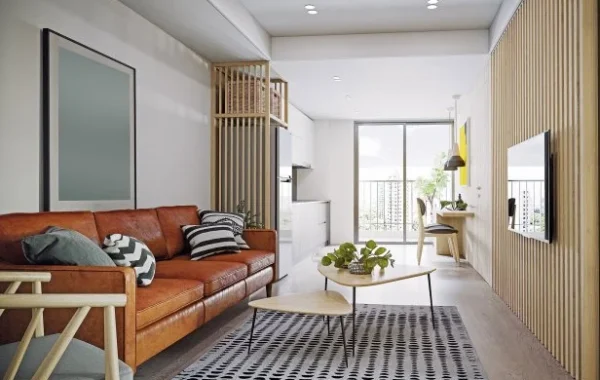
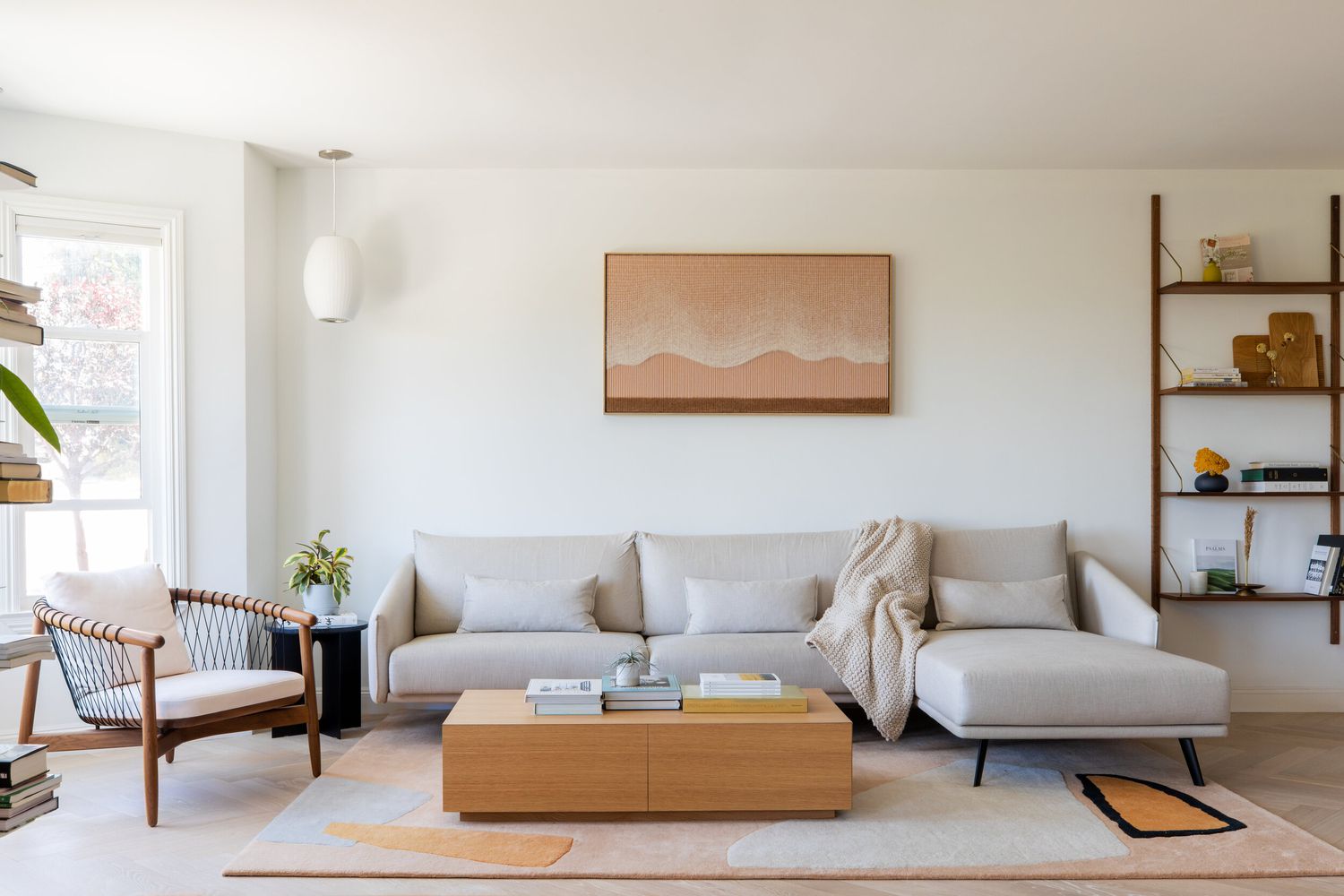

Minimalist Living Room Design
Minimalist living room design is more than just a trend — it’s a lifestyle. It emphasizes simplicity, functionality, and a clean aesthetic that promotes calmness and clarity in everyday life. In today’s fast-paced world, minimalist interiors help create spaces that feel open, airy, and serene while maintaining elegance and style.
This design philosophy focuses on quality over quantity, ensuring that every element in a living room serves a purpose while contributing to a cohesive, visually appealing space. From furniture selection to color palettes, lighting, and decor, minimalist living rooms strike the perfect balance between form and function.
In this guide, we will explore everything you need to know about minimalist living room design: principles, color schemes, furniture, layout tips, lighting ideas, decor suggestions, common mistakes, trends, and expert recommendations.
Principles of Minimalist Living Room Design
1. Less Is More
Minimalism prioritizes simplicity. Each piece in the living room should have a purpose and contribute to the overall harmony of the space. Avoid clutter and unnecessary accessories.
2. Clean Lines and Simple Forms
Furniture and decor should feature clean, straight lines and simple geometric forms. Rounded edges and organic shapes can also work but should remain subtle.
3. Functional Spaces
Every item should be functional. Multi-purpose furniture like storage ottomans, modular sofas, and nesting tables is ideal for minimalist living rooms.
4. Open Space and Flow
Minimalist design emphasizes breathing room. Keep furniture arranged to promote easy movement and maintain visual openness.
5. Neutral Color Palette
Minimalist interiors often use muted colors like white, beige, gray, or soft pastels. This creates a calm and cohesive environment.
6. Natural Light
Maximizing natural light enhances the minimalist feel. Large windows, sheer curtains, and reflective surfaces help brighten the space.

Choosing the Right Color Palette
Neutral Shades
-
White: Creates a sense of purity and openness.
-
Beige and taupe: Adds warmth while remaining subtle.
-
Gray: Modern and versatile, suitable for furniture and walls.
Accent Colors
Minimalist design allows subtle accent colors through small decor items or artwork. Popular choices include muted blues, earthy greens, or soft blush tones.
Monochromatic Schemes
Using variations of a single color can create depth without overwhelming the space.
Contrast
Dark furniture against light walls or vice versa can add visual interest while maintaining a minimalist aesthetic.
Essential Furniture for Minimalist Living Rooms
1. Low-Profile Sofas
Sleek, low-profile sofas in neutral tones work best. Avoid oversized or overly ornate designs.
2. Coffee Tables
Choose tables with simple shapes, such as rectangles, squares, or circles. Multi-functional options with storage are ideal.
3. Side Tables and Storage
Minimalist side tables should complement the sofa without cluttering the room. Hidden storage solutions maintain a clean look.
4. Seating Options
Add chairs or ottomans with clean lines. Modular or stackable designs are versatile and functional.
5. Media Units
Low-profile, wall-mounted media units help reduce visual clutter and maintain floor space.
6. Shelving
Floating shelves or wall-mounted storage units create open space while providing functional storage.
Layout Tips for Minimalist Living Rooms
1. Centered Furniture Arrangement
Arrange seating around a focal point, such as a fireplace or TV, while keeping the room open and spacious.
2. Maintain Negative Space
Negative space, or empty areas, is crucial in minimalist design. Avoid overcrowding walls or corners with furniture.
3. Symmetry and Balance
Balanced arrangements create harmony. Place furniture in symmetrical patterns to enhance visual appeal.
4. Create Zones
Define zones for relaxation, reading, or entertainment without cluttering the space. Rugs or subtle partitions can help.
5. Keep Pathways Clear
Ensure easy movement through the room by leaving clear walking paths between furniture.
Lighting Ideas for Minimalist Living Rooms
1. Natural Light
Large windows, skylights, and glass doors amplify openness. Use sheer curtains or blinds that let in sunlight.
2. Recessed Lighting
Ceiling-mounted recessed lights offer clean, unobtrusive illumination.
3. Pendant Lights
Simple, modern pendant lights above seating or coffee tables create a focal point.
4. Floor Lamps
Minimalist floor lamps with clean lines provide both task and ambient lighting.
5. Accent Lighting
Subtle wall or LED strip lighting highlights art pieces or architectural features without overwhelming the space.
Minimalist Decor Ideas
1. Artwork
Choose one or two statement pieces rather than multiple small frames. Abstract or monochromatic art works well.
2. Plants
Introduce greenery through simple planters. Tall plants like fiddle leaf figs or snake plants complement the minimal aesthetic.
3. Textiles
Use rugs, cushions, and throws sparingly. Stick to neutral tones or muted patterns.
4. Mirrors
Strategically placed mirrors enhance light and create an illusion of more space.
5. Sculptural Pieces
One or two unique sculptures can act as a focal point without creating clutter.
6. Minimalist Shelving
Display essential items only. Keep surfaces clean and organized.
Flooring Ideas for Minimalist Living Rooms
1. Hardwood Floors
Light-colored hardwoods like oak or maple add warmth while maintaining a clean look.
2. Large Format Tiles
Neutral porcelain or ceramic tiles reduce grout lines, creating a seamless, open effect.
3. Concrete Floors
Polished concrete is modern, sleek, and perfect for minimalist interiors.
4. Area Rugs
Use rugs with subtle textures or neutral colors to define seating areas. Avoid busy patterns.
Common Mistakes to Avoid
1. Overcrowding
Too many furniture pieces or accessories contradict minimalist principles.
2. Clashing Colors
Stick to a cohesive palette. Avoid introducing overly bright or contrasting colors.
3. Neglecting Functionality
Minimalism is not just about appearance — every item must serve a purpose.
4. Poor Lighting
Insufficient light can make a minimalist room feel cold or uninviting.
5. Ignoring Storage
Hidden storage solutions are crucial to maintain clean surfaces and a clutter-free environment.
Minimalist Living Room Design Trends
1. Scandinavian Minimalism
-
Light wood accents
-
White walls
-
Cozy textures
-
Functional, simple furniture
2. Modern Minimalism
-
Monochromatic color schemes
-
Sleek, modular furniture
-
Metal or glass accents
3. Japandi Style
-
Fusion of Japanese and Scandinavian minimalism
-
Natural materials
-
Neutral color palettes
-
Functional simplicity
4. Industrial Minimalism
-
Exposed concrete or brick
-
Metal furniture
-
Minimal decorative elements

Advanced Minimalist Design Techniques
1. Layering Textures
Minimalism doesn’t mean everything has to be flat or one-dimensional. Adding layers of texture can create depth without clutter. Consider:
-
Linen or wool cushions on a neutral sofa
-
Soft throw blankets with subtle patterns
-
Textured rugs in muted tones
-
Matte and glossy surfaces combined for visual interest
These small textural contrasts maintain simplicity while adding warmth and personality to the space.
2. Focus on Statement Pieces
In a minimalist living room, one standout piece of furniture or decor can define the room’s aesthetic:
-
A sculptural armchair
-
A geometric coffee table
-
A large, abstract painting
-
A designer floor lamp
Limiting statement pieces prevents visual chaos and draws attention to the room’s focal elements.
3. Incorporating Natural Elements
Nature plays a crucial role in minimalist design. Bringing in natural materials adds warmth and life without overwhelming the space:
-
Wooden flooring or accent panels
-
Stone or marble surfaces
-
Plants with clean silhouettes like monstera or snake plant
-
Natural fiber rugs or baskets
This approach enhances tranquility and connects the interior to the natural environment.
4. Smart Storage Solutions
Clutter-free surfaces are vital for minimalism. Utilize hidden or smart storage to keep essentials organized:
-
Built-in cabinets behind wall panels
-
Storage ottomans or benches
-
Floating shelves with integrated drawers
-
Modular furniture with hidden compartments
Proper storage ensures the room maintains its clean and airy appearance.
Choosing the Right Materials
1. Wood
Light or medium-toned woods like oak, maple, or walnut create warmth. Avoid overly ornate carvings. Smooth finishes and straight grains align with minimalist principles.
2. Metal
Metal accents in black, brushed steel, or matte gold can modernize the space without overwhelming it. Metal works well in furniture frames, lighting fixtures, and decor accents.
3. Glass
Transparent furniture or partitions maintain openness and allow light to flow freely, enhancing the spacious feeling of the room.
4. Stone and Marble
Natural stone, marble, or concrete surfaces can act as focal points, adding luxury and texture while keeping the palette neutral.
5. Fabric
Use soft fabrics in muted tones for sofas, cushions, and curtains. Avoid busy patterns; opt for solid colors or subtle textures.
Lighting Techniques for Minimalist Spaces
1. Layered Lighting
Combine different types of lighting to create ambiance and highlight design features:
-
Ambient: Recessed ceiling lights
-
Task: Floor lamps for reading corners
-
Accent: LED strips or spotlights on art or architectural features
2. Natural Light Maximization
Use sheer curtains, reflective surfaces, or strategically placed mirrors to enhance daylight. Minimalist design thrives in bright, airy spaces.
3. Minimalist Fixtures
Select simple, geometric lighting fixtures that complement the room’s clean lines. Avoid overly decorative chandeliers or elaborate pendants.
Decor Strategies
1. Curated Collections
Instead of many small knick-knacks, display a few meaningful items. For example:
-
A single vase with fresh flowers
-
A curated book selection on a floating shelf
-
A minimalistic sculpture on a console table
2. Monochromatic Art
Art in shades of gray, black, or muted colors complements the minimalist aesthetic and prevents visual overload.
3. Functional Decor
Decorative items that serve a purpose, like stylish storage baskets or elegant lighting, combine utility with beauty.
4. Spatial Balance
Distribute items evenly to maintain balance and avoid overcrowding any corner. Symmetry can help achieve a harmonious composition.
Examples of Minimalist Living Room Layouts
1. Open Plan Living
An open plan living area with a low-profile sofa, floating media unit, and central rug creates flow and openness. Using light-colored flooring enhances brightness.
2. Corner Focal Point
Arrange a reading nook or armchair in a corner with a minimalist floor lamp. This draws attention without cluttering the room’s center.
3. Modular Seating
Use sectional sofas that can be reconfigured as needed. Pair with a simple coffee table and minimal decor for flexibility and a clean look.
4. Feature Wall
A single feature wall in neutral tones with subtle texture, wooden panels, or backlit panels adds depth while maintaining minimalism.
Minimalist Style Across Different Interior Themes
1. Scandinavian Minimalism
-
Natural wood elements
-
Cozy textiles
-
White walls and neutral accents
-
Light-filled interiors
2. Japanese Minimalism
-
Low furniture
-
Natural materials
-
Neutral palette with occasional dark accents
-
Focus on calm and meditation spaces
3. Modern Minimalism
-
Clean geometric furniture
-
Monochromatic schemes
-
Metal and glass elements
-
Open, uncluttered layouts
Benefits of Minimalist Living Rooms
-
Calm and Stress-Free Environment: Less clutter reduces stress and promotes relaxation.
-
Enhanced Natural Light: Minimalist design opens up spaces to let light flow freely.
-
Timeless Aesthetic: Neutral tones and clean lines remain stylish for decades.
-
Flexibility: Easy to update with accent colors or small decor changes.
-
Better Organization: Hidden storage and purposeful furniture keep spaces tidy.
FAQs About Minimalist Living Room Design
1. What is a minimalist living room?
A minimalist living room emphasizes simplicity, functionality, clean lines, and a neutral color palette.
2. How do I make a small living room minimalist?
Use multi-functional furniture, light colors, minimal decor, and maintain negative space.
3. Can I add color to a minimalist living room?
Yes — subtle accent colors or one statement piece can enhance the space without clutter.
4. What type of furniture works best?
Low-profile, clean-lined, functional, and multi-purpose furniture fits best.
5. How can I add personality to a minimalist room?
Use statement artwork, texture, or a single sculptural piece.
Conclusion
Minimalist living room design is a perfect blend of simplicity, elegance, and functionality. By focusing on clean lines, neutral colors, natural light, and purposeful furniture, you can create a space that feels spacious, serene, and stylish. Whether you are designing a compact apartment or a luxury villa, minimalism enhances both aesthetics and practicality, allowing your living room to serve as a calm sanctuary in your daily life.
By carefully selecting furniture, colors, lighting, and decor, and avoiding common mistakes, anyone can achieve a modern and timeless minimalist living room that balances beauty with function.